Obsolete Electronic Components Supporting Legacy Telecom Infrastructure
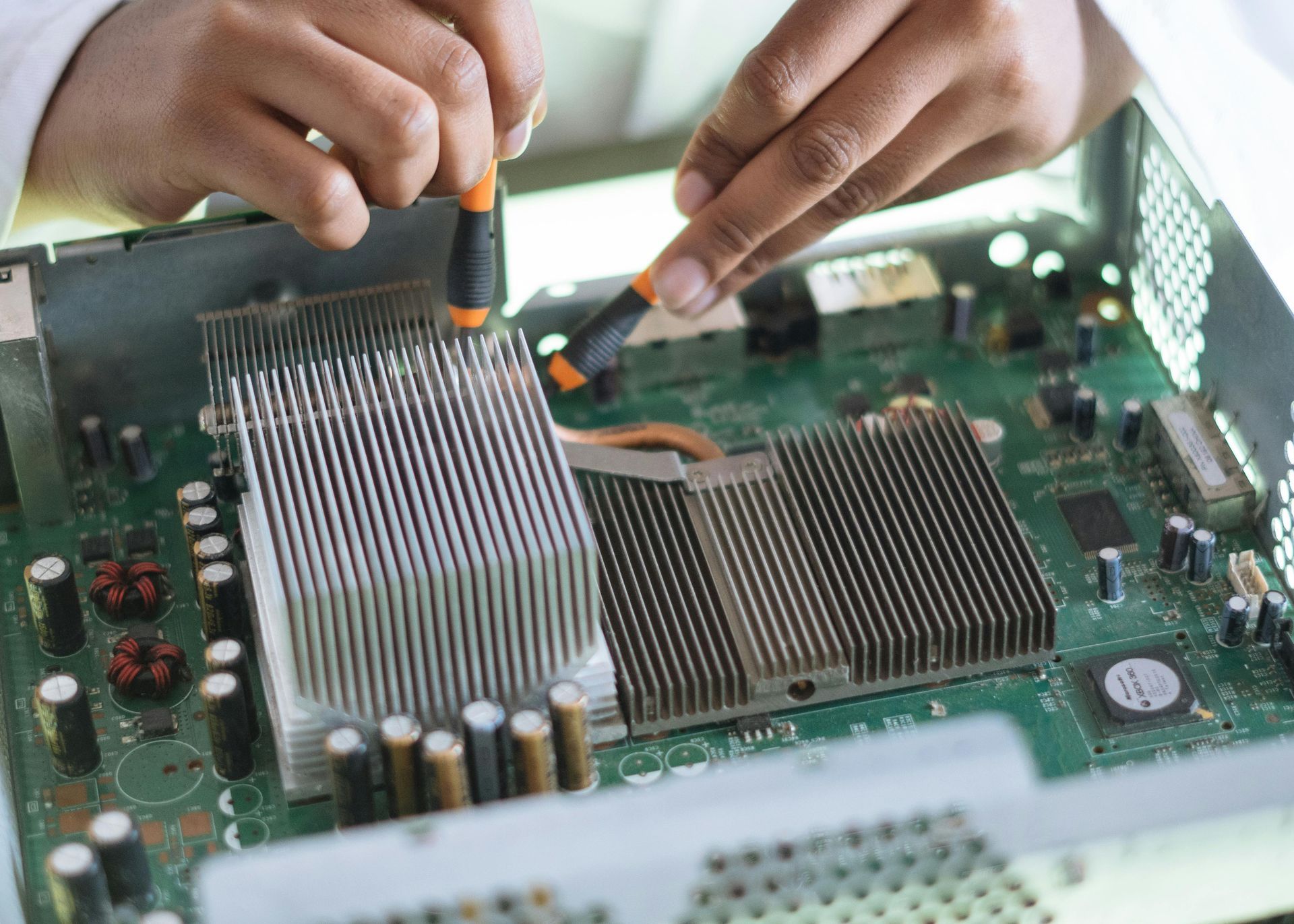
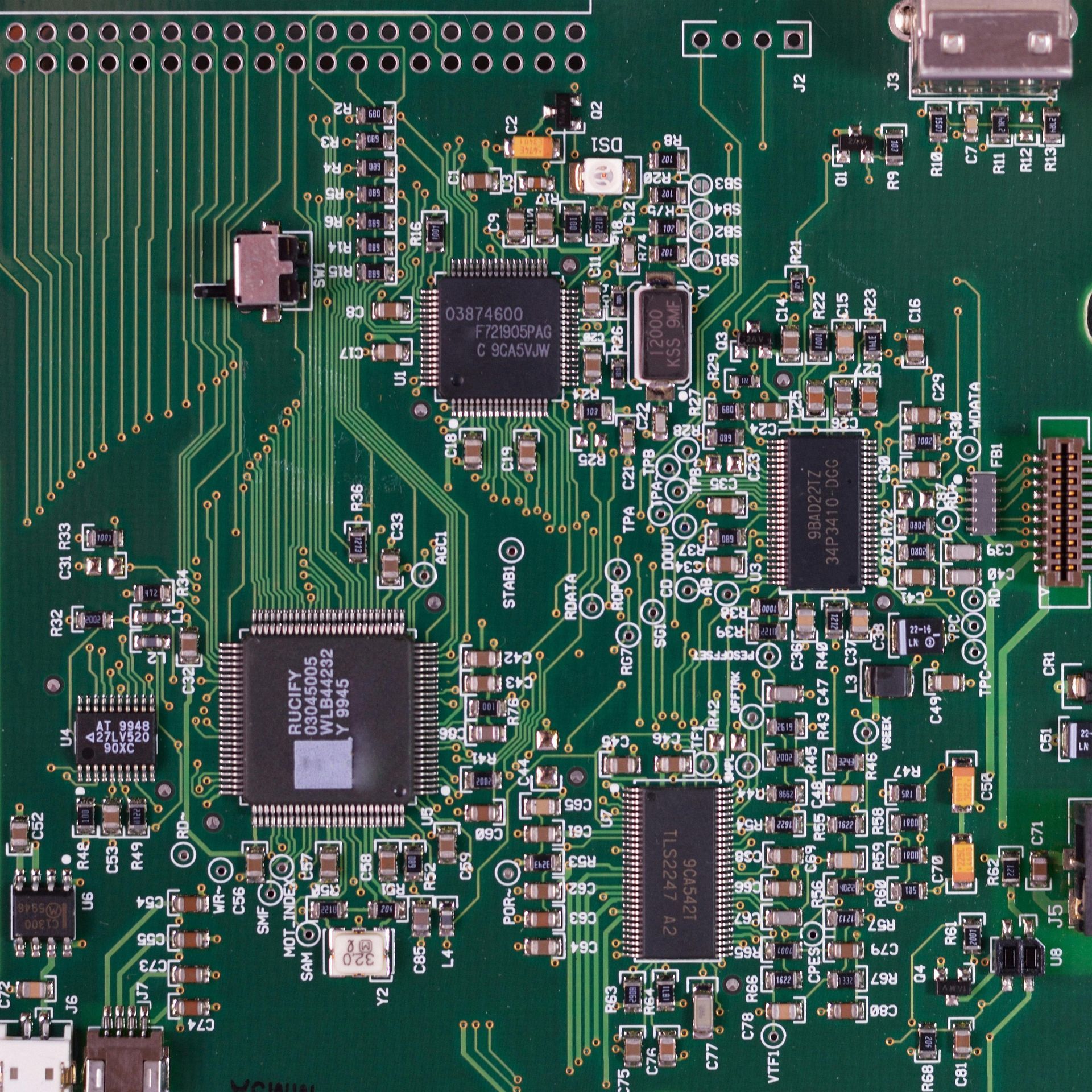
Telecommunications networks worldwide depend on infrastructure systems that require specialized maintenance and component sourcing. As manufacturers discontinue older product lines, organizations face challenges in maintaining critical communication networks. The telecommunications industry relies on obsolete electronic components to keep legacy network systems operational, creating demand for specialized suppliers who source discontinued parts.
Key Takeaways
- Legacy telecommunications systems require obsolete electronic components no longer manufactured by original suppliers
- Specialized suppliers like epsems.com provide sourcing services for hard-to-find components in telecommunications infrastructure
- Component sourcing helps organizations avoid costly system redesigns and maintain operational continuity
- The UK's PSTN shutdown by January 2027 creates ongoing demand for legacy component support
- Quality verification and authenticity testing are required when working with obsolete electronics supplier inventory
- Strategic component stockpiling helps organizations prepare for future maintenance needs
Understanding Legacy Telecommunications Infrastructure
Telecommunications networks have transitioned from copper wire connections to digital systems over the past century. Many organizations operate legacy network systems designed for decades of service life. These systems use now-obsolete electronic components, and modernizing entire infrastructures can be costly and impractical.
The Public Switched Telephone Network (PSTN) represents widespread legacy telecommunications infrastructure. Originally using underground copper wires to provide communication, the PSTN has become almost entirely digital. However, components from earlier eras continue to function within these networks.
Legacy telecommunications systems include critical components that may require obsolete parts for maintenance and repairs:
- Switching equipment for call routing
- Transmission hardware for signal management
- Signaling devices for network communication
- Control systems for operational management
These systems contain components no longer available through traditional distribution channels.
Common Obsolete Components in Telecom Systems
Switching System Components
Telecommunications switching systems form the backbone of call routing and network management. Historical telephone switches like the Alcatel E10 series were introduced in 1972 as early TDM switching deployments. The E10 series was commonly used across France, Ireland, China, and India.
These systems contain specialized components, including:
- Digital signal processors for call routing and management
- Memory modules designed for specific switching architectures
- Interface cards for connecting network segments
- Power supply modules for continuous operation
- Control processors for system operations
Transmission Equipment Parts
Long-distance telecommunications transmission requires equipment to maintain signal quality and reliability. Legacy transmission systems use components difficult to source through conventional channels:
- Multiplexing Equipment: Combines multiple signals for transmission over fiber optic or copper networks
- Amplifier Modules: Boosts signal strength for long-distance communication
- Digital Cross-Connect Systems: Manages signal routing between transmission paths
- Legacy Interface Modules: Enables compatibility between older and newer network technologies
Customer Premises Equipment
Customer-facing telecommunications equipment represents another area where obsolete components are needed. Customer premises equipment includes telecommunications equipment on subscriber premises, from analog telephones to PBX systems. Organizations need replacement parts for:
- Private branch exchange (PBX) systems for internal call routing
- Analog telephone interface modules for legacy compatibility
- Data communication equipment bridging older protocols with modern networks
- Control units for enterprise telecommunications installations
Challenges in Sourcing Obsolete Telecommunications Electronics
Component Availability and Lead Times
As manufacturers cease production, obsolete parts become difficult to procure. Telecommunications organizations face specific challenges when seeking obsolete electronic components.
The telecommunications industry experiences sourcing challenges due to the long operational life expected from network infrastructure. Unlike consumer electronics replaced frequently, telecom equipment is designed for 20-30 year service cycles. This creates situations where components become obsolete before the systems they support reach end-of-life.
Organizations contend with varying lead times for obsolete components:
- Some parts available from surplus inventory
- Others require extensive global sourcing efforts
- Lead times range from immediate to several months
Quality and Authenticity Concerns
Electronic components distributors work to ensure authenticity and the quality of components they sell. This helps prevent counterfeit or substandard components from entering the market. This verification becomes critical for telecommunications applications where component failures can affect large numbers of users.
Quality assurance for obsolete telecommunications components includes:
- Electrical Testing: Verification that components meet original performance specifications
- Environmental Testing: Confirmation that parts withstand required operating conditions
- Documentation Verification: Ensuring proper traceability and compliance with industry standards
- Physical Inspection: Detecting signs of wear, damage, or modification
Cost Considerations
Scarcity of obsolete parts leads to increased prices, impacting maintenance and replacement budgets. Telecommunications organizations must balance component costs against system modernization expenses.
Factors affecting component pricing include:
- Market demand for specific components
- Number of active installations requiring those parts
- Supply chain complexity and international sourcing requirements
- Testing and verification costs
Strategic Sourcing Solutions
Working with Specialized Suppliers
Organizations seeking to buy obsolete electronic components for telecommunications infrastructure benefit from partnering with suppliers who understand legacy network systems requirements. Specialized suppliers like EPSEMS offer advantages over general electronics distributors:
- Industry Expertise: Suppliers focused on obsolete electronics supplier services understand the challenges facing telecommunications organizations. They maintain knowledge of commonly needed components and can predict future sourcing requirements based on installed equipment.
- Global Sourcing Networks: Established suppliers maintain relationships with component sources worldwide, enabling them to locate hard-to-find components not available through conventional channels.
- Quality Verification Processes: Specialized suppliers implement testing and verification procedures to ensure component authenticity and performance reliability.
Inventory Management Strategies
| Strategy | Benefits | Considerations |
|---|---|---|
| Strategic Stockpiling | Ensures parts availability when needed | Requires capital investment and storage space |
| On-Demand Sourcing | Minimizes inventory carrying costs | May result in longer lead times during outages |
| Hybrid Approach | Balances availability with cost efficiency | Requires planning and supplier relationships |
Inventory management for obsolete telecommunications components requires organizations to balance availability against carrying costs. Companies that wait too long may miss their window for obtaining critical components.
Lifecycle Planning and Obsolescence Management
Proactive obsolescence management helps organizations prepare for component sourcing challenges before they become critical. This approach includes:
System Documentation: Maintaining detailed records of all components used in telecommunications infrastructure:
- Manufacturer part numbers
- Component specifications
- Installation dates
- Maintenance history
Obsolescence Monitoring: Tracking manufacturer end-of-life announcements and industry trends affecting component availability.
Alternative Component Identification: Researching potential substitute components that could serve as replacements for obsolete parts while maintaining system compatibility.
Future Considerations for Legacy Telecom Infrastructure
Technology Transition Timelines
Operators worldwide are retiring support for last-mile analog telephony and Integrated Services Digital Network (ISDN), transitioning voice service to Voice over IP via internet access. This transition creates opportunities and challenges for organizations managing legacy telecommunications infrastructure.
BT confirmed that the PSTN and ISDN will be switched off by January 31, 2027. This deadline was extended from the original December 2025 date to allow better protection for vulnerable customers. The switch-off includes all traditional landlines and services that rely on them.
The delay addresses concerns about vulnerable individuals who rely on telecare devices, including personal alarms. An estimated 2.3 million people in the UK currently use personal alarms that rely on landlines.
Global PSTN Transitions
Similar transitions are occurring globally:
- Estonia and The Netherlands have already switched off their PSTN networks
- Germany, Japan, and Sweden are ahead of the UK in making the shift
- Most major telecommunications providers plan to complete the copper network shutdown by 2029
Impact on Legacy Component Demand
While new IP-based systems reduce dependence on traditional obsolete components, the transition period extends over many years. Organizations must continue maintaining existing systems while gradually implementing newer technologies.
The infrastructure that powers PSTN includes components dating back 50+ years, making maintenance expensive and component sourcing challenging.
Regulatory and Compliance Requirements
Telecommunications applications operate under regulatory oversight that may limit options for component substitution or system modification. Organizations must ensure obsolete electronic components used in regulated systems continue to meet applicable standards.
The technical operation of telecommunications networks adheres to standards internationally promulgated by the ITU-T. These standards originated from local telephone network development and continue to influence component specifications for obsolete parts.
Industry certifications and compliance documentation become important when sourcing obsolete components for regulated telecommunications applications. Suppliers must provide appropriate documentation demonstrating that components meet necessary standards.
Best Practices for Component Sourcing
Due Diligence Processes
When organizations need to buy obsolete electronic components for critical telecommunications infrastructure, proper due diligence becomes important:
Supplier Verification:
- Research suppliers' experience with telecommunications components
- Verify quality processes and industry reputation
- Check supplier certifications and customer references
Component Authentication:
- Verify components are genuine and unmodified
- Conduct visual inspection and electrical testing
- Compare with known good references
Documentation Review:
- Ensure components come with appropriate documentation
- Verify certificates of conformance and test reports
- Maintain traceability records for compliance
Building Strategic Supplier Relationships
Long-term success in obsolete component sourcing depends on building relationships with specialized suppliers. Organizations benefit from working with suppliers who understand their specific equipment and provide ongoing support.
Suppliers like EPSEMS, who specialize in obsolete telecommunications electronics, provide market intelligence that helps organizations plan component sourcing strategies.
Frequently Asked Questions
What makes telecommunications components become obsolete?
Technological advancements and environmental regulation changes render older technologies obsolete as more efficient solutions emerge. Manufacturers discontinue older product lines to focus resources on newer technologies.
How can organizations verify the authenticity of obsolete telecom components?
Reputable suppliers implement testing procedures, including electrical verification, physical inspection, and documentation review. Working with established obsolete electronics suppliers helps ensure component authenticity and quality.
What are the typical lead times for obsolete telecommunications components?
Lead times vary depending on component availability and sourcing requirements. Some parts may be available immediately from existing inventory, while others may require several weeks or months of global sourcing efforts.
Can modern components substitute for obsolete telecommunications parts?
Form, fit, and function (FFF) equivalents are components that match the original in electrical performance, physical size, and layout. Compatibility verification is required before implementing substitute components in critical telecommunications systems.
What should organizations consider when budgeting for obsolete component sourcing?
Organizations should factor in component costs, testing, verification, shipping, and potential system downtime. Strategic planning and relationship building with reliable suppliers can help manage these costs.
Final Thoughts
The need for obsolete electronic components in legacy telecommunications infrastructure represents a challenge that requires strategic planning and specialized expertise. Organizations that address component sourcing challenges through partnerships with experienced suppliers can maintain system reliability while planning for future technology transitions. Success in managing obsolete component requirements depends on understanding system needs, working with qualified suppliers, and implementing quality verification processes to ensure continued operational performance in telecommunications networks.
Ready to source obsolete electronic components for your telecommunications infrastructure? Contact us today for expert guidance on finding hard-to-find components and maintaining your legacy network systems.
Reference:
https://www.techtarget.com/searchnetworking/definition/PSTN