How Box Build Lines Turn Obsolete Electronic Components Into Retail-Ready Products
Electronics companies face a growing problem with obsolete electronic components piling up in their facilities. Box build assembly lines provide a solution by turning these old components into working products that customers can buy. These assembly lines take apart old electronics, test the parts, fix them if needed, and put them into new packaging for retail sale.
Key Takeaways
- Component Recovery: Box build lines can take apart old electronics and save useful parts like resistors, capacitors, and circuits that still work properly.
- Complete Assembly Services: These operations put together circuit boards, wiring, and cases to make finished products from recycled parts.
- Serialization Tracking: Each recycled component gets a unique number so companies can track where it came from and where it goes throughout the process.
- Packaging Solutions: Special packaging protects refurbished electronics and makes them look professional for store shelves.
- Quality Testing: Multiple tests make sure recycled components work as well as new ones before they reach customers.
- Supply Chain Benefits: Working with an obsolete electronics supplier through box build services costs less than buying all new parts.
What Box Build Assembly Does
Box build assembly goes beyond just making circuit boards. Companies take electronic components, mechanical parts, and cases and put them together into complete products ready for sale.
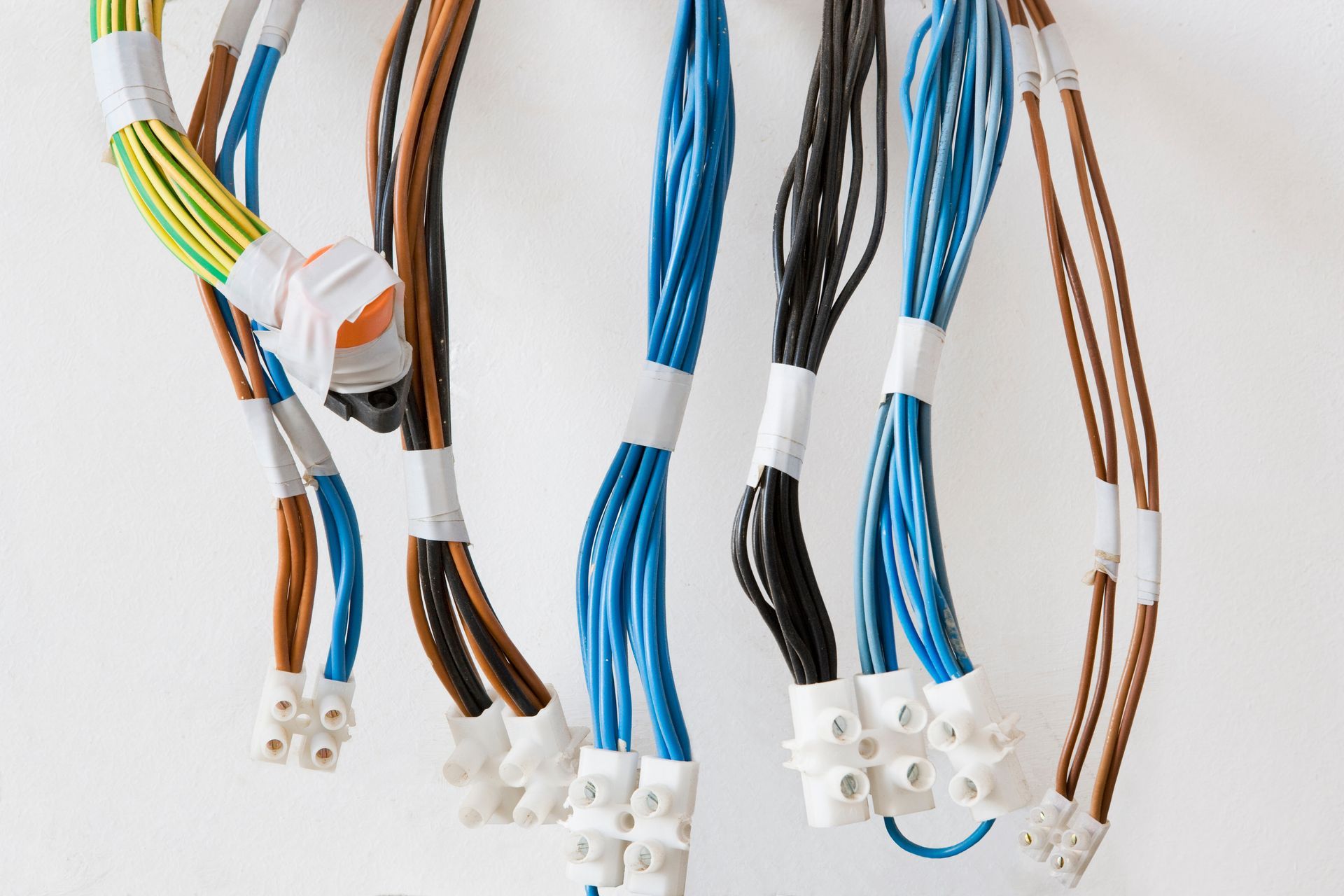
The process includes several important steps. Box build assembly incorporates manufacturing custom cable assemblies and wire harnesses, as well as assembling printed circuit boards. Many electronic component distribution companies handle everything from getting components to final testing and shipping
.
Here are the main parts of the box build operations:
- Component Integration: Installing circuit boards, custom cable assembly solutions, and mechanical parts inside protective cases
- Systems Assembly: Connecting electrical, mechanical, and software parts to create working electronic devices
- Quality Control: Testing products at multiple stages to catch problems early
- Packaging Preparation: Getting products ready for stores with proper labels and documentation
Box build operations work with many different types of projects. They can handle simple consumer electronics or complex aerospace and defense systems. This flexibility makes them particularly useful for turning obsolete electronic components into products people want to buy. Industries like automotive, medical devices, and industrial automation all benefit from these services.
How Electronic Component Recovery Works
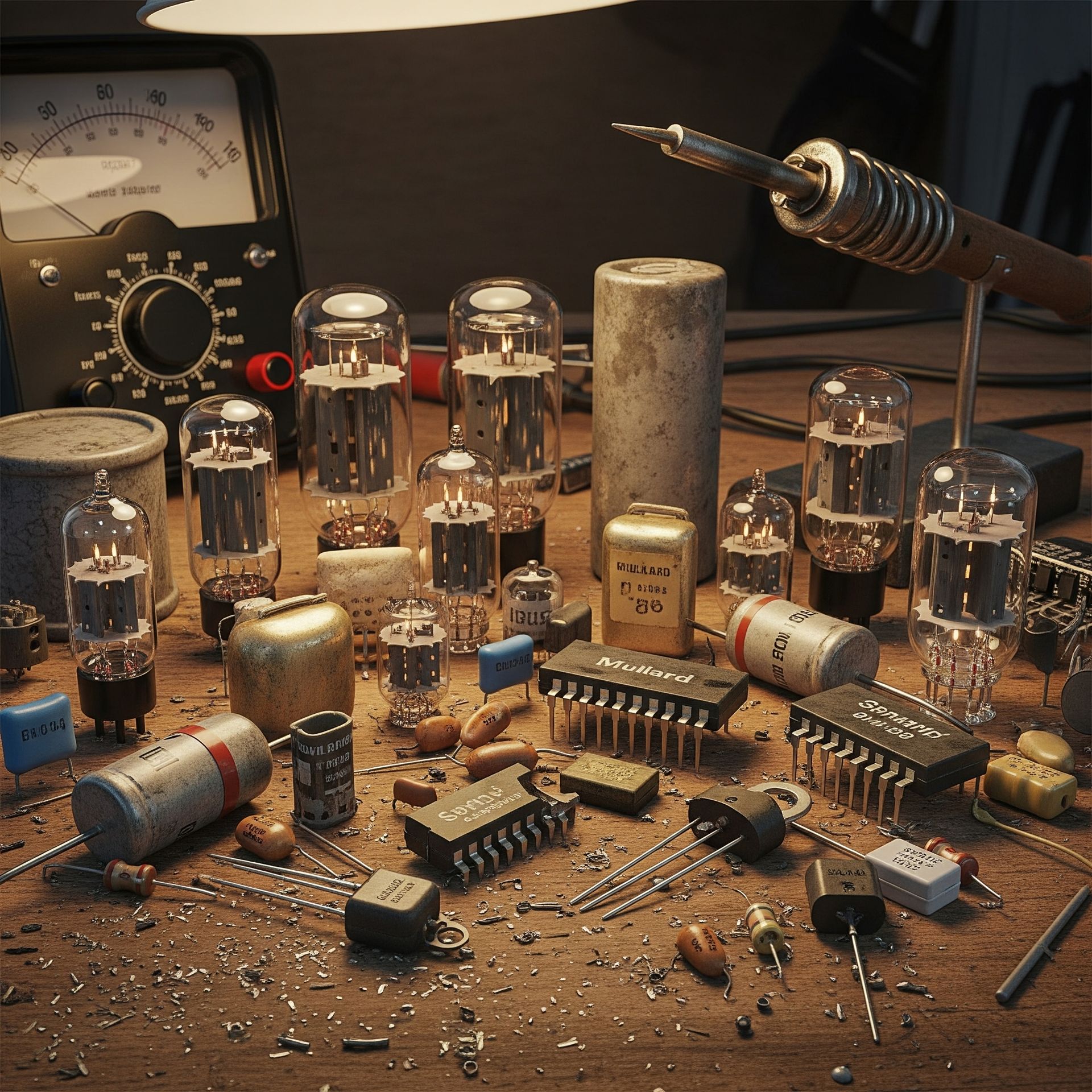
Turning obsolete electronic components into retail products starts with careful recovery and testing. Reusable electronic components are parts from old electronics that can still work in new products or repairs. Companies need special knowledge about component types and testing methods to make sure recovered parts work properly.
The recovery process involves several important steps:
Taking Apart Electronics and Sorting Parts
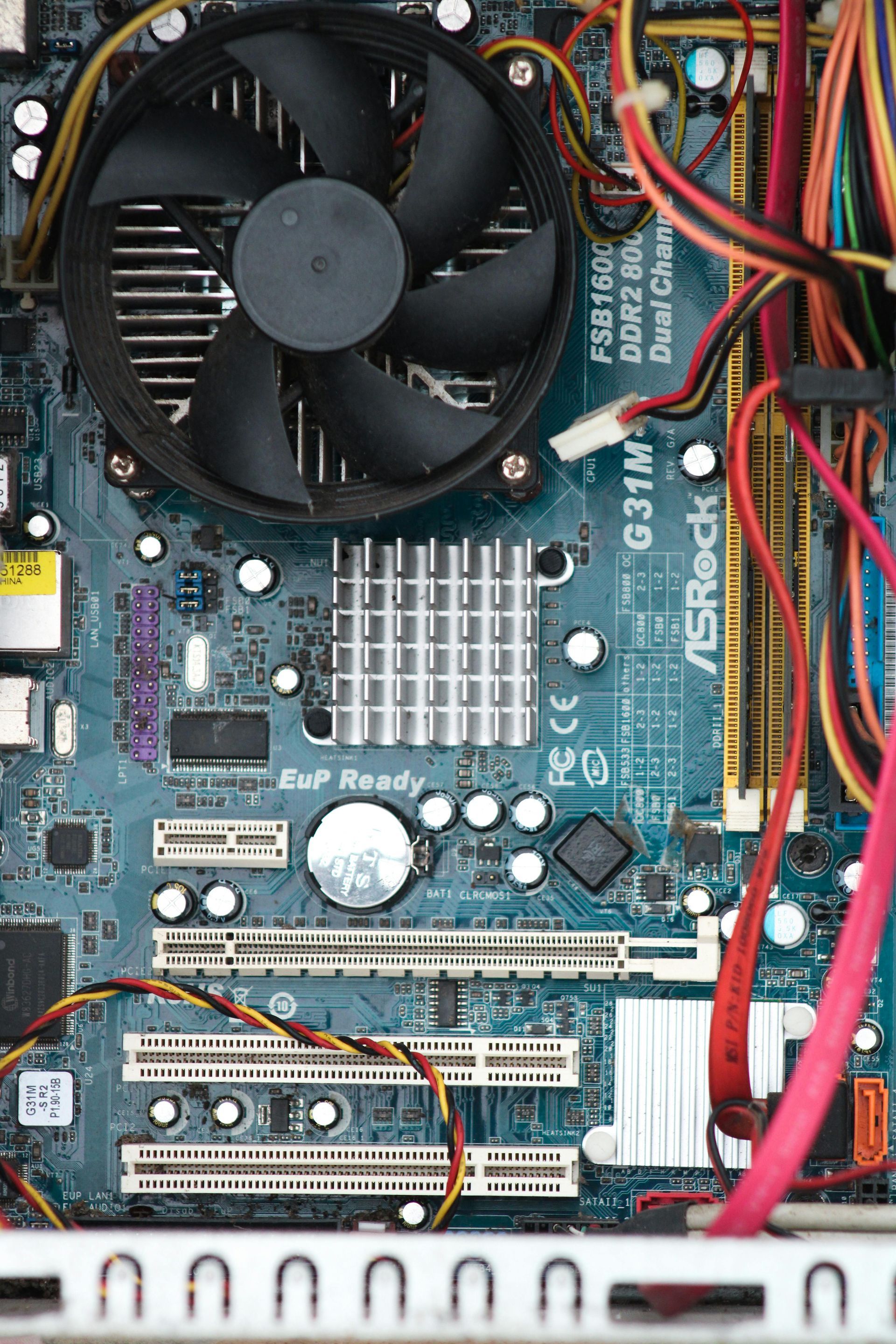
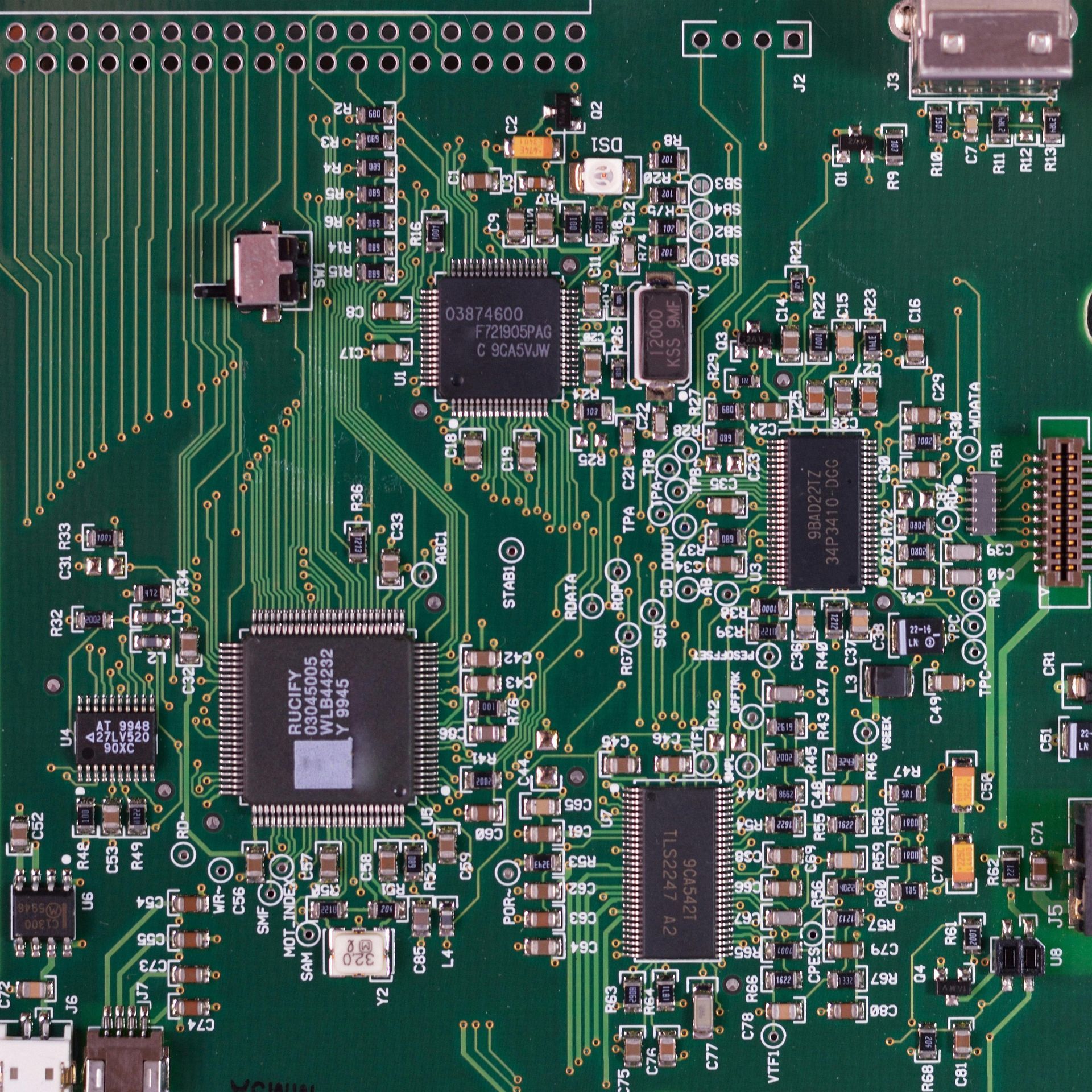
Trained workers carefully take apart electronic devices to remove individual components without damaging them. Circuit boards contain many components like resistors, transistors, microcontrollers, and integrated circuits. When electronic equipment becomes obsolete, the individual components on the circuit boards often remain in good condition.
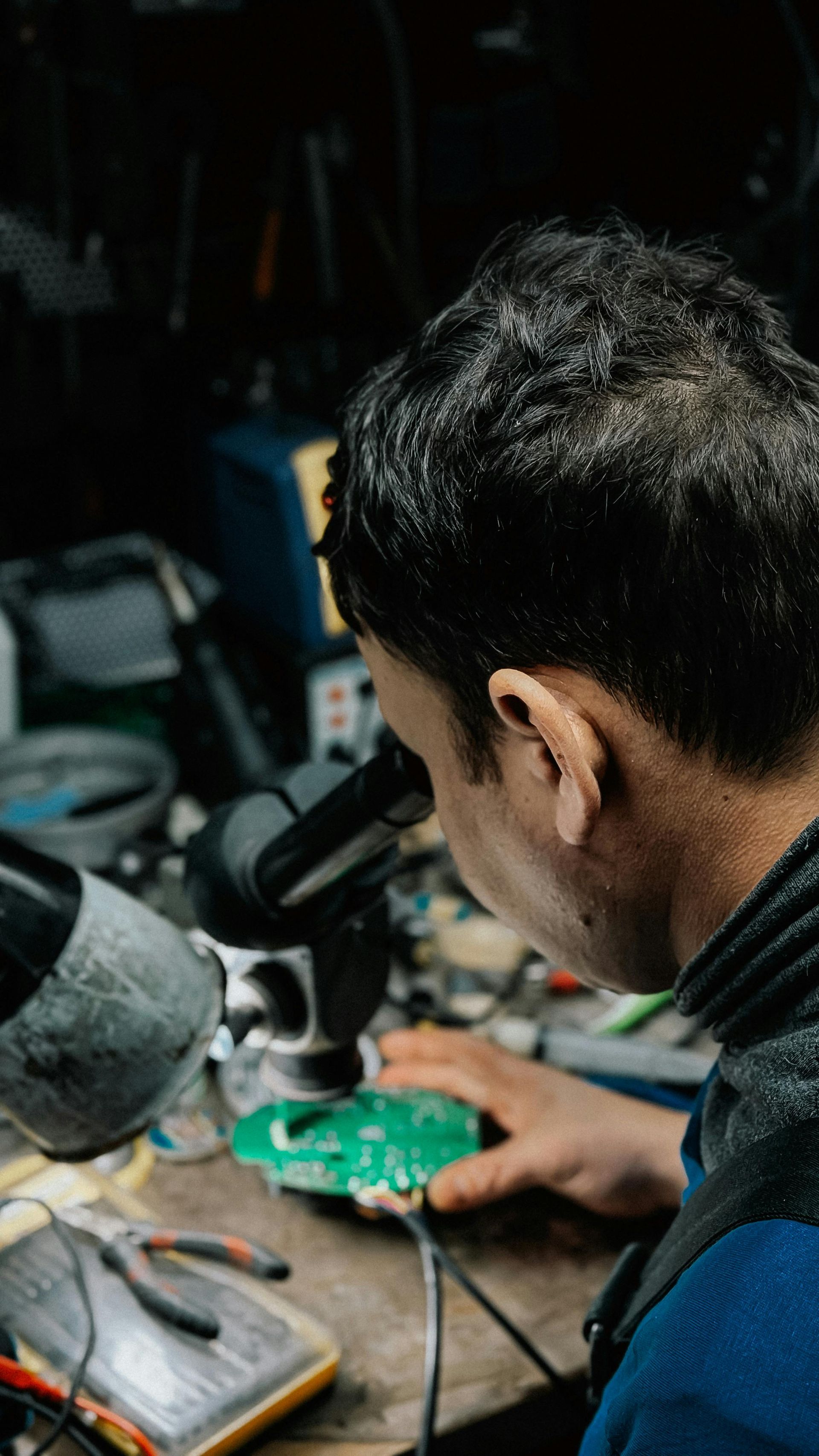
Workers then sort components by type, size, and condition. This helps determine which parts can be fixed and reused. Special desoldering techniques protect component quality during removal. Temperature-controlled processes ensure that sensitive electronic parts keep their electrical properties when separated from their original circuit boards.
Testing and Quality Checks
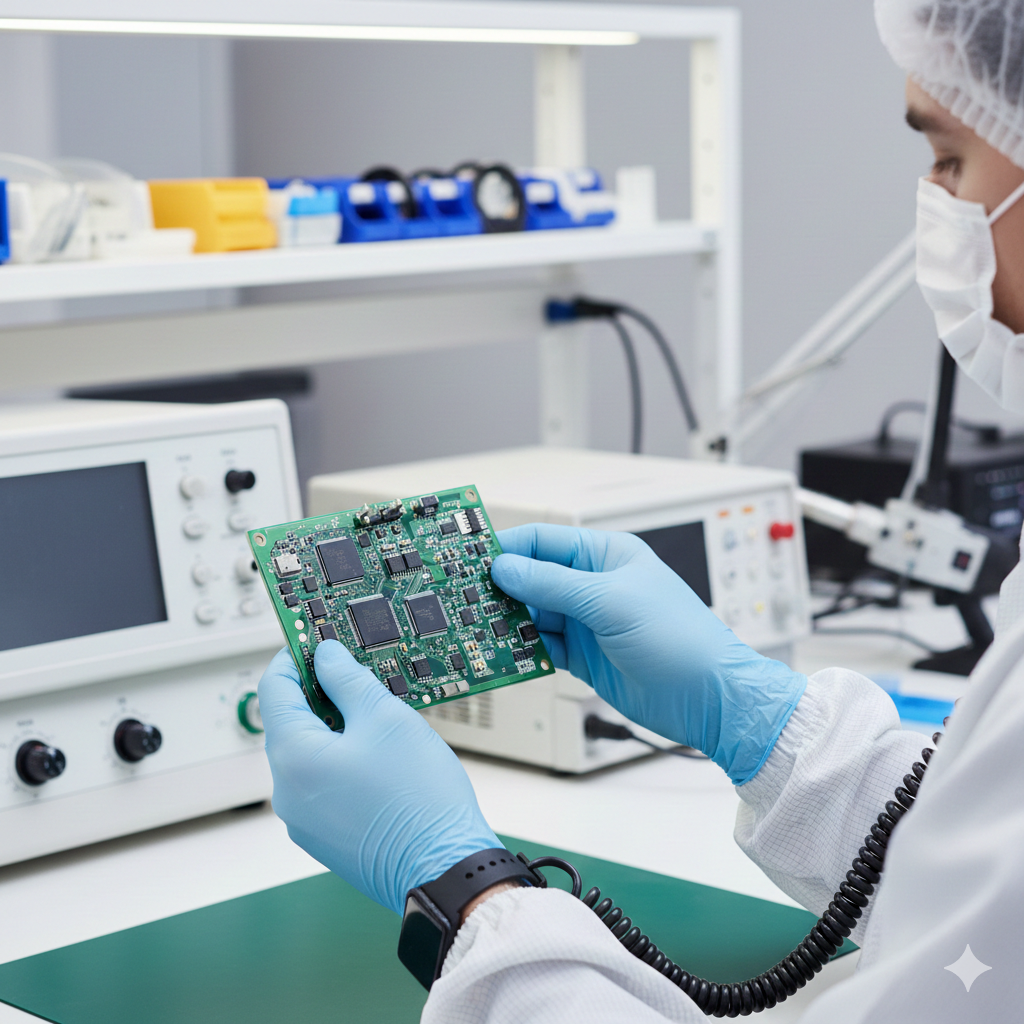
Recovered components go through detailed testing to verify they work correctly. Electronic testing equipment measures things like resistance, capacitance, and voltage to ensure components meet original manufacturer standards.
Quality checks include these important steps:
- Electrical Testing: Checking component specifications against original data sheets
- Physical Inspection: Looking at external condition, connection integrity, and marking clarity
- Performance Testing: Running components under simulated working conditions
- Contamination Analysis: Finding corrosion, moisture damage, or chemical contamination
Components that pass these tests can be used in new box build assembly projects. Parts with problems either get more refurbishment work or get recycled for raw materials.
Serialization for Tracking Components
Box build operations use serialization systems to track refurbished components throughout the manufacturing process. Serialization allows manufacturers to track components from production to final sale, which helps prevent fraud and unauthorized resale.
Digital Tracking Systems
Serialization starts when recovered components enter the refurbishment facility. Each component gets a unique digital number that connects to detailed information, including where it came from, when it was recovered, test results, and what refurbishment work was done.
Tracking systems provide these benefits:
- Complete Records: Detailed history of component origins, testing data, and processing steps
- Quality Control: Real-time monitoring of components through each stage of work
- Rule Compliance: Automatic documentation to meet government and industry requirements
- Inventory Management: Accurate tracking of component availability and location
Identification Technologies
Box build facilities use several identification technologies to ensure good tracking. Barcode systems provide cost-effective marking for high-volume components. RFID tags enable automatic data capture during assembly operations. Laser engraving creates permanent markings that customers can report back on if something happens in the field.
These permanent identifiers work well for components used in critical applications where tracking failures is important for safety and regulatory compliance. This is especially important in aerospace and defense applications, medical devices, and automotive systems, where component reliability is essential.
Packaging Solutions for Store Sales
Getting refurbished components ready for retail requires special packaging that protects electronics while meeting customer expectations. Professional packaging operations handle both protection needs and appearance standards necessary for retail success.
Custom Case Design
Box build facilities often design custom cases to house refurbished electronic assemblies. Most custom cases for box build assembly are made from sheet metal, though some operations also use plastic and composite materials depending on what the product needs.
Case design must consider several factors:
- Environmental Protection: Resistance to moisture, dust, vibration, and temperature changes
- Electromagnetic Shielding: Protection against electromagnetic interference
- Heat Management: Features to keep optimal operating temperatures
- Access Needs: Space for controls, displays, connectors, and maintenance access
Professional case manufacturing ensures refurbished electronics get proper protection while looking professional for retail markets.
Labels and Documentation
Electronics sold in stores need comprehensive labeling and documentation to meet regulatory standards and give customers proper information. Packaging must include regulatory markings, safety warnings, operating instructions, and warranty information.
Documentation packages typically include:
- Regulatory Markings: CE, FCC, UL, and other required certifications
- Product Information: Model numbers, serial numbers, and manufacturing details
- Safety Information: Operating limits, handling precautions, and environmental requirements
- Setup Instructions: Installation guides, connection diagrams, and troubleshooting help
Professional packaging operations ensure all documentation is accurate and complete to support successful retail distribution.
Quality Testing Protocols
Strong quality programs form the foundation of successful box build operations processing obsolete electronic components. The manufacturing process for electronic box build assembly reduces errors because only one supplier handles product assembly. These protocols ensure refurbished products meet or exceed original performance while maintaining the reliability standards customers expect.
Testing at Multiple Stages
Box build facilities test products at multiple stages throughout the assembly process. Initial component testing checks if recovered electronic parts work before integration. Subassembly testing ensures proper operation of integrated circuits and connected systems. Final product testing validates complete system performance under operating conditions.
Testing methods include these approaches:
- In-Circuit Testing: Checking electrical continuity and component values in assembled circuits
- Functional Testing: Validating system operation under simulated use conditions
- Environmental Testing: Performance verification across temperature, humidity, and vibration ranges
- Burn-In Testing: Extended operation periods to identify potential early failures
These testing procedures help find potential problems before products reach stores, reducing return rates and maintaining customer satisfaction with refurbished electronics.
Performance Standards
Quality teams establish performance benchmarks based on original manufacturer specifications and industry standards. Products must show consistent operation within specified parameters to get approval for retail distribution. Simple box builds may have pass/fail test results, but quality-focused manufacturers collect more information and develop more detailed test procedures.
Standards address critical performance areas, including power consumption, signal integrity, heat behavior, and operational reliability. Products that fail to meet these standards get additional refurbishment work or are removed from the retail preparation process.
Working with Electronics Suppliers
Successful box build operations often work with consumer electronics suppliers to create complete supply chain solutions for refurbished products. These relationships provide access to compatible components, technical documentation, and distribution channels that support turning obsolete electronics into viable retail products.
An obsolete electronics supplier can provide valuable insights into component availability, alternative sourcing options, and market demand patterns. Professional partnerships typically include component verification services, technical support, and supply chain management capabilities. Some companies also offer excess inventory resale services to help manufacturers recover value from unused components.
Supply Chain Benefits
Working relationships with electronics suppliers create several operational advantages:
- Component Compatibility: Access to compatible replacement parts when original components cannot be refurbished
- Technical Documentation: Access to schematic diagrams, assembly instructions, and testing procedures
- Market Information: Data about demand trends and pricing structures for refurbished electronics
- Distribution Support: Access to established retail channels and customer relationships
- Electronic Component Distribution: Reliable sourcing networks for both new and obsolete components
These partnerships enable box build operations to handle more complex refurbishment projects while maintaining competitive pricing and delivery schedules that meet market requirements.
Consumer Electronics Supplier Integration
Consumer electronics suppliers play an important role in making the refurbishment process work effectively. They help provide the missing pieces needed to turn obsolete electronic components into complete products that work reliably.
The integration process typically involves coordinating component compatibility, ensuring proper documentation is available, and managing the supply chain to maintain consistent quality. Suppliers also help with final product readiness by providing packaging materials and retail distribution support.
Working with established suppliers helps ensure that refurbished products meet industry standards and customer expectations while maintaining cost-effective operations. This is particularly important for industrial automation applications, consumer electronics markets, and other specialized industries that require reliable component sourcing.
Frequently Asked Questions
What types of electronic components can be successfully refurbished through box build processes?
Most standard electronic components, including resistors, capacitors, integrated circuits, and connectors, can be refurbished if they pass testing procedures. Components with physical damage or electrical problems may not be suitable for refurbishment.
How do serialization systems ensure the traceability of refurbished components?
Serialization systems give each component a unique number that connects to databases with origin information, testing results, and processing history. Tracking technologies like barcodes and RFID tags provide identification throughout manufacturing.
What quality standards must refurbished electronics meet before retail distribution?
Refurbished electronics must meet or exceed original manufacturer specifications for electrical performance, safety compliance, and environmental resistance. Testing protocols verify functionality and compliance with industry standards.
How do packaging solutions protect refurbished electronics during distribution?
Packaging solutions include custom cases for environmental protection, shock-resistant materials for shipping protection, and proper documentation for regulatory compliance. These systems ensure product integrity from manufacturing through delivery.
What role do consumer electronics suppliers play in the refurbishment process?
Consumer electronics suppliers provide access to compatible components, technical documentation, and market intelligence that support refurbishment operations. These partnerships enable access to replacement parts and distribution channels.
Final Thoughts
Box build assembly lines provide an effective way to transform obsolete electronic components into products that customers want to buy. Through systematic recovery processes, serialization tracking, and quality testing protocols, these operations create practical solutions for electronic waste while generating market-ready products that meet customer expectations.
Ready to transform your obsolete electronic components into market-ready products? Contact our team today to discuss your box build assembly needs and discover cost-effective solutions for your business.
Reference:
https://www.batteryspace.com/ul-ce-emc-fcc-and-csa.aspx?srsltid=AfmBOorO7q9pTACHJRK1CKN6uiThkddrq3HOv8Xbfq8hcfgb9lxcTrpw